

ProteoformX 1.5.1
ProteoformX™ is a software tool for characterising biopharmaceutical products at the proteoform level using the MAM (Multi-Attribute Methods) strategy. ProteoformX provides integrated analytical workflows that support diverse proteoform-level characterisation tasks, ranging from proteomics research to biopharmaceutical analysis.
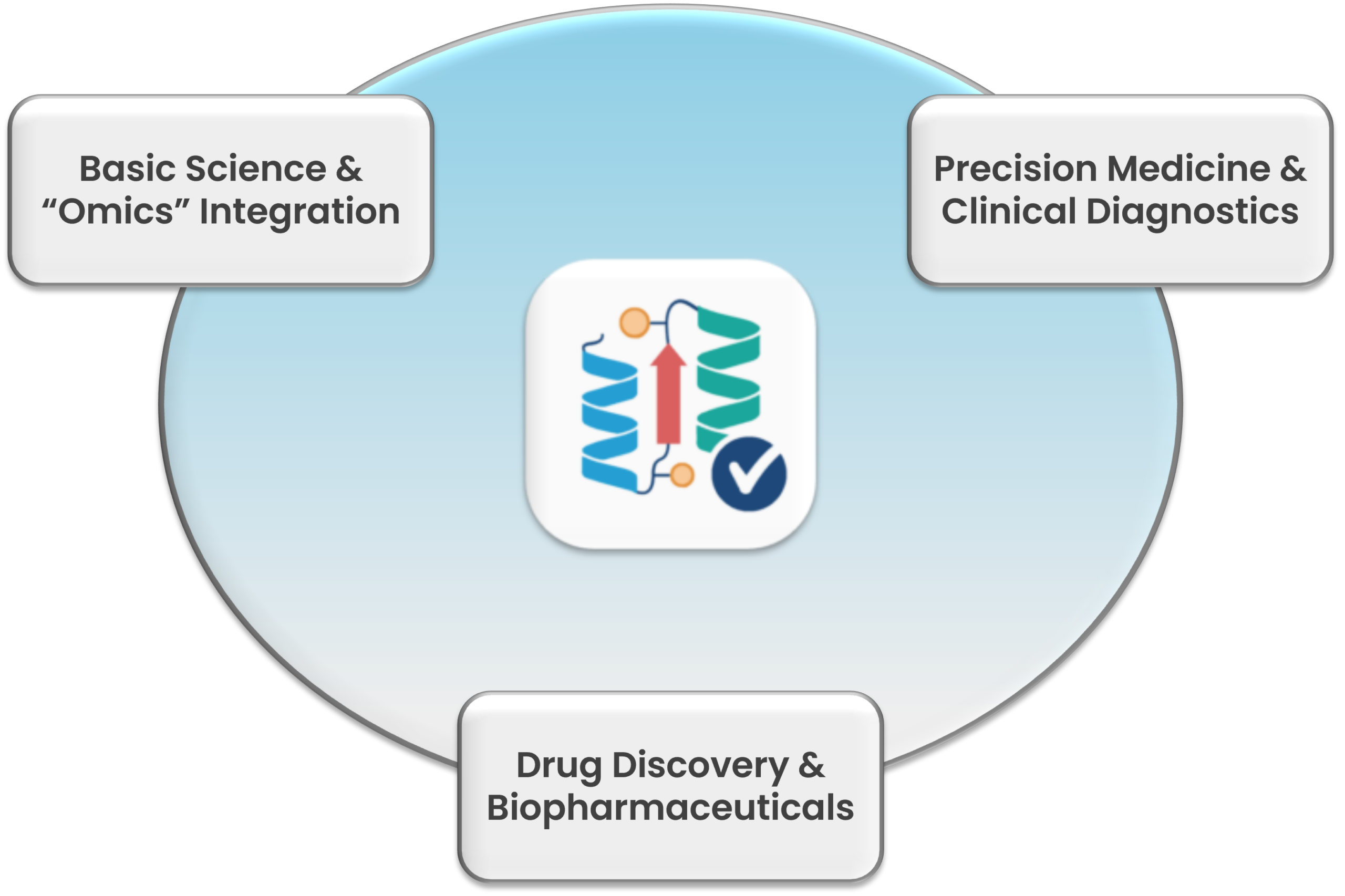
Explore integrated analytical workflows supporting proteoform-level analysis and address diverse needs across proteomic research & biopharmaceutical characterisation
Comprehensive Antibody Characterisation
Streamline multilevel mass spectrometric strategy combining Intact, Middle-down, and Bottom-up enhanced analysis for deep antibody characterisation. Resolve and visualise PTM localisation to specific amino acid residues and probe sequence validation at the subunit level with speed and precision.
CQAs of Bispecific Antibodies
Solve unique analytical challenges of high-level structural complexity, diverse chain pairings, and multiple functional domains of Bispecific Antibodies combining Intact mass, Top/middle-down analysis, and Peptide Mapping, all-in-one supported by the ProteoformX software platform. Evaluate critical quality attributes (CQAs) with high accuracy and confidence.
Peptide Biotherapeutics Assessment
Advance peptide-based pharmaceuticals development beyond canonical amino acids and simplistic linear peptide structures and achieve a comprehensive and accurate characterisation of complex peptide structures, including non-canonical amino acids, nucleotides, and complex modifications as well as cyclic/branched structures.
Drug Discovery
Use New Peak Detection within LC-MS/MS-based Multi-Attribute Methods (MAM), to validate compounds of interest, identify novel impurities, degradation products, or low-level sequence variants with high sensitivity using automated workflows ideal for regulatory-compliant stability testing.
Deeper Proteoform Insight
Take advantage of Bottom-up mass spectrometric acquisitions to Peptide Map post-translational modifications and sequence variant to gain a deep insight into Proteoform characteristics with superior sequence coverage, improved confidence, and enhanced PTM and mutation localisation.

Intact Mass Analysis

Top-down Proteoform Search

New Peak Detection

Peptide Mapping
Intact Mass Analysis
Performs accurate deconvolution with detailed annotations of glycoforms and post-translational modifications,
and reports detectable proteoforms with their corresponding mass and retention time information.
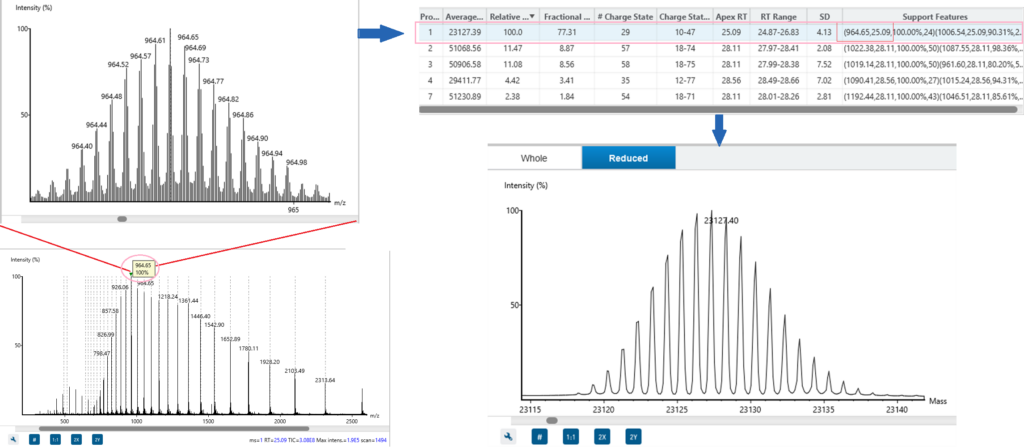
High precision mass deconvolution
Feature-based mass deconvolution identifies proteoform masses with high sensitivity and specificity, for isotopically resolved or unresolved data, across a wide range of sample types.
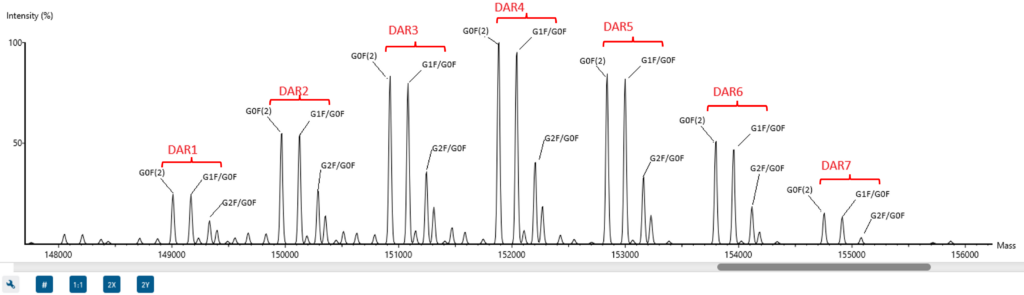
Comprehensive sample annotation with modifications and ADC drug payload
Intact mass workflow delivers accurate annotation for complex and sub-unit proteoforms, even for heterogeneous samples with modifications and ADC drug payload.
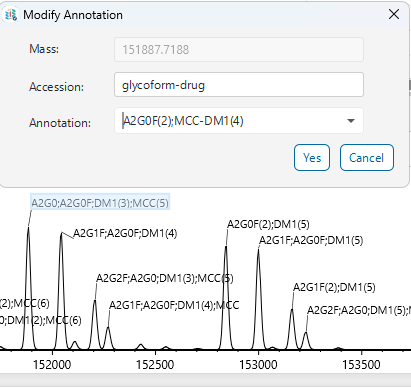
Manual annotation editing for expert curation
By default, the software assigns the annotation with the smallest mass error between the theoretical and measured values. However, this may not always reflect the expected or biologically relevant assignment. With the new function, manual annotation, users can manually select alternative candidates based on their knowledge, or even directly input a custom assignment.
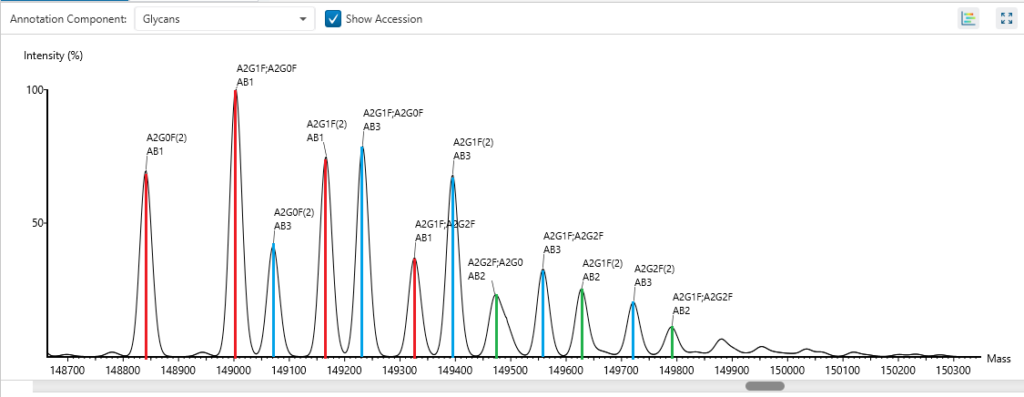
Glycosylation profile at proteoform level
Intact deconvolution accurately detects the glycosylated proteoforms of an antibody mixture.
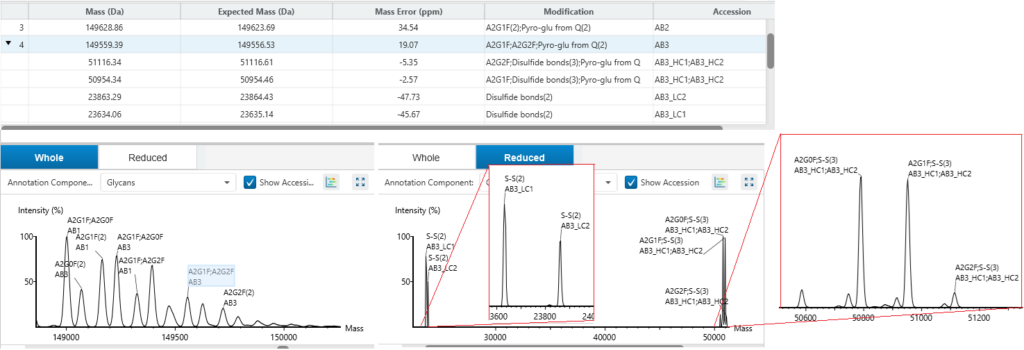
Antibody heavy chain and light chain pairing
Intact annotation determines antibody heavy and light chain pairings, enabling characterisation of all antibody forms, including asymmetric antibodies and mixtures.
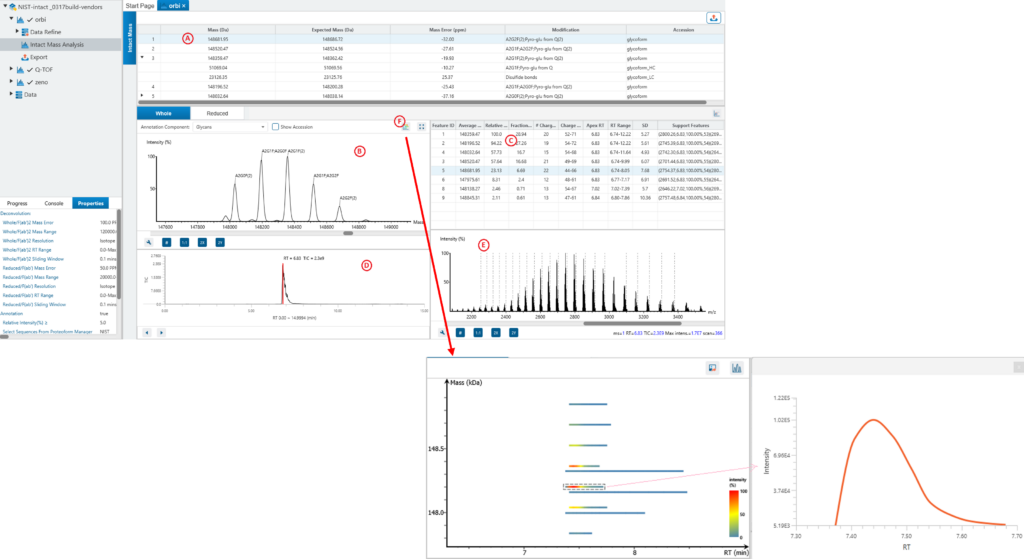
Comprehensive result view
ProteoformX™ provides comprehensive results, including interactive spectrum views with annotated peaks for transparent interpretation, along with supporting features in mass deconvolution tables that can be directly used to guide targeted top-down MS/MS experiments. The proteoform heatmap view intuitively displays its elution profile.
Top-down Proteome Search
Top-down MS enables in-depth characterisation of proteoforms, including precise PTM localisation. However,
challenges such as data complexity and limited sequence coverage can limit throughput. In ProteoformX™,
one-stop identification of confident protein variants from the same gene unveils deep proteoform diversity, the
unparalleled user interface helps users to manually check the result from raw data to identification. Diverse
fragmentation methods such as CID, HCD, ETD, ETHCD, and UVPD are supported.
⭐ Bottom up assisted Top-down/middle down
⭐ Diverse fragmentation methods supported
⭐ Trace every proteoform with hierarchical insight
⭐ Open search

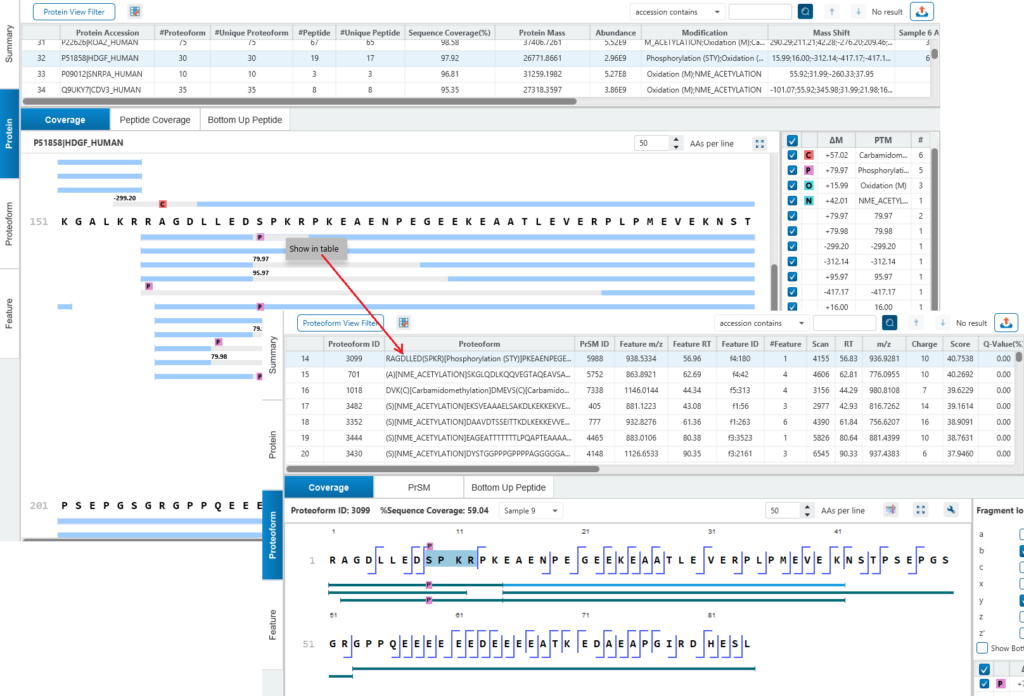
The ProteoformX™ software application provides hierarchical information with feature based identification algorithm. A flexible user interaction that enables linkage between different views, allowing seamless access to information from raw data to proteoform spectrum match (PrSM) and protein inference.
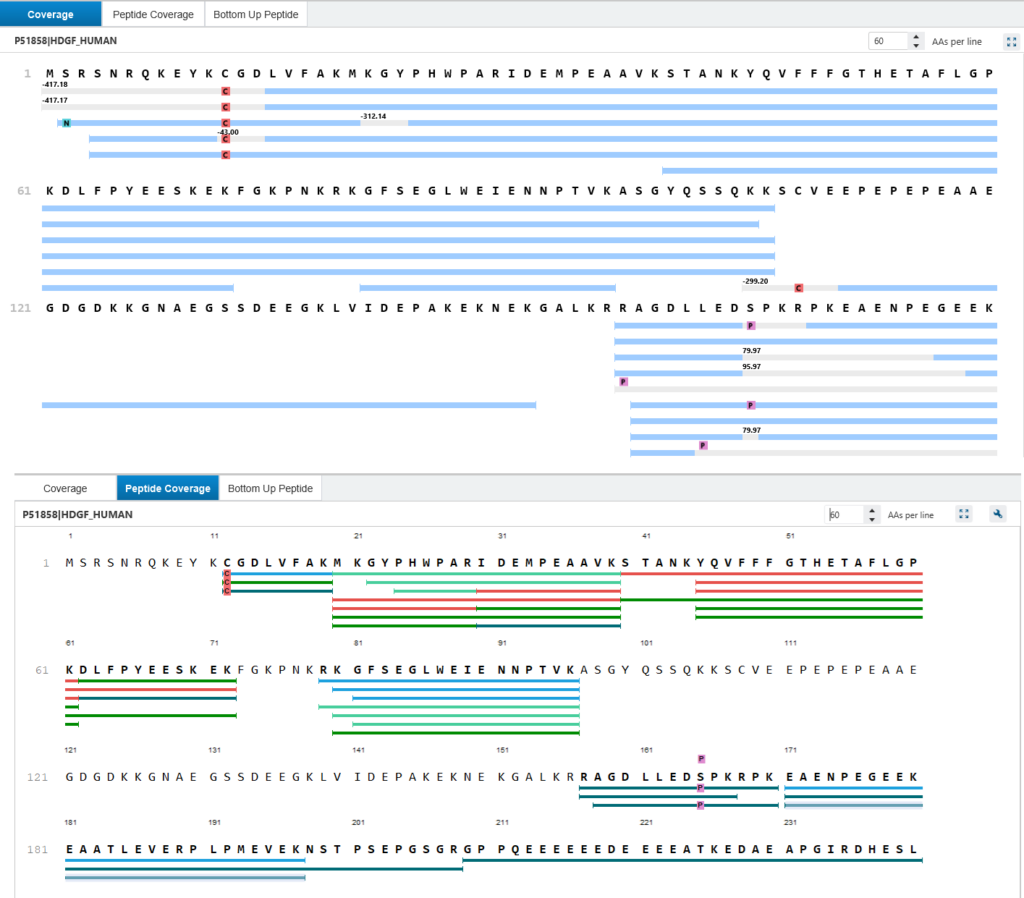
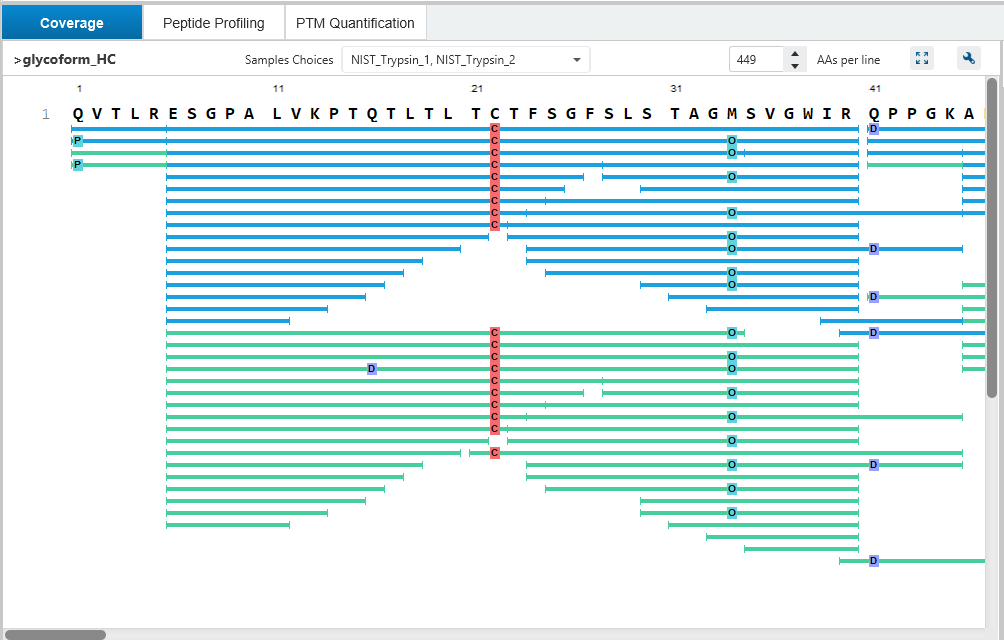
In the Protein tab, the coverage pane shows proteoforms mapped to the protein sequence and peptide coverage shows all peptide from bottom-up mass mapped to protein sequence. In the Coverage view, grey bars indicate regions where a mass tag is associated with the sequence, representing a mass shift and possible modification. However, these regions lack fragment ions for site-specific localisation of the mass tag.
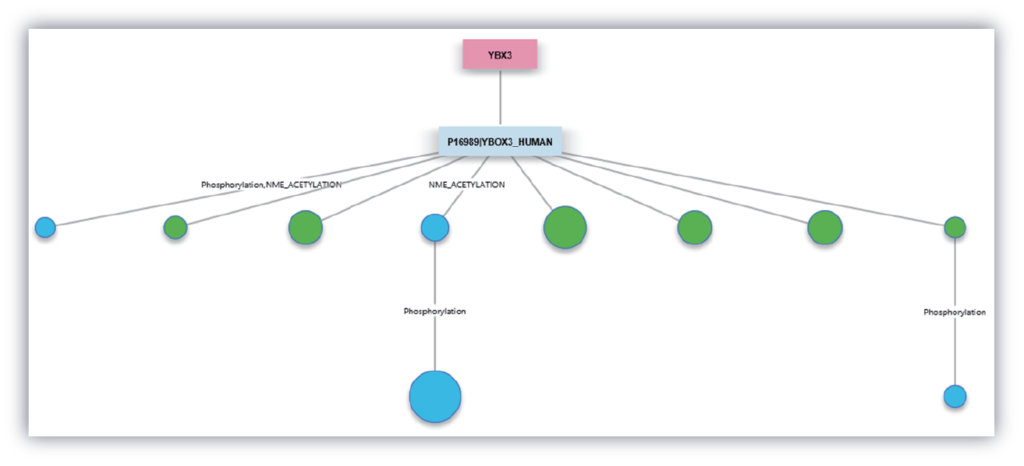
The confidence level was listed for each proteoform in the "Proteoform" tab. Bottom-up
significantly improved the proteoform confidence
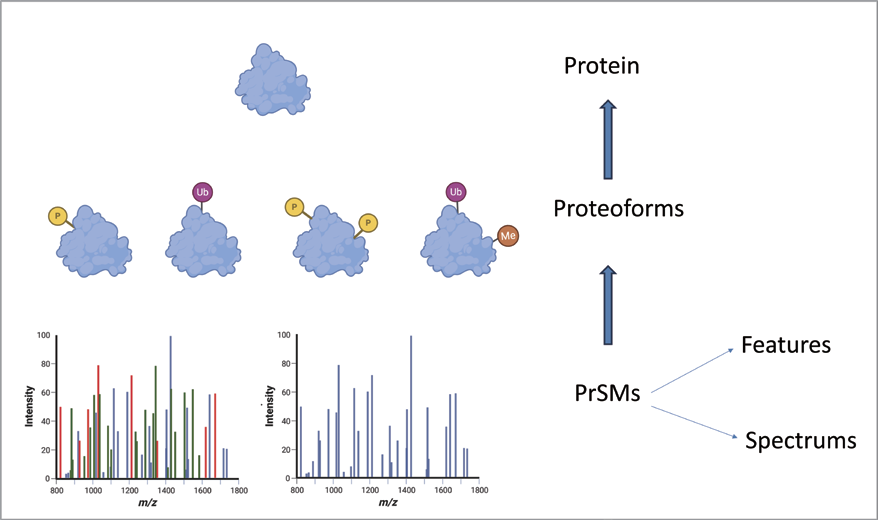
levels due to the localisation of modifications in the proteoforms. Three proteoforms moved up by two levels, and six moved up by one level. The proteoform network for each gene are provided.
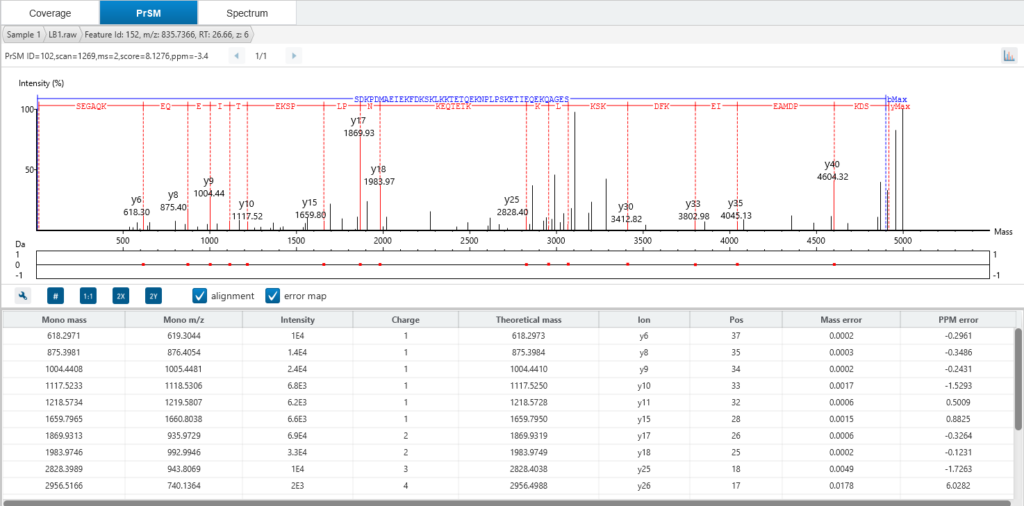
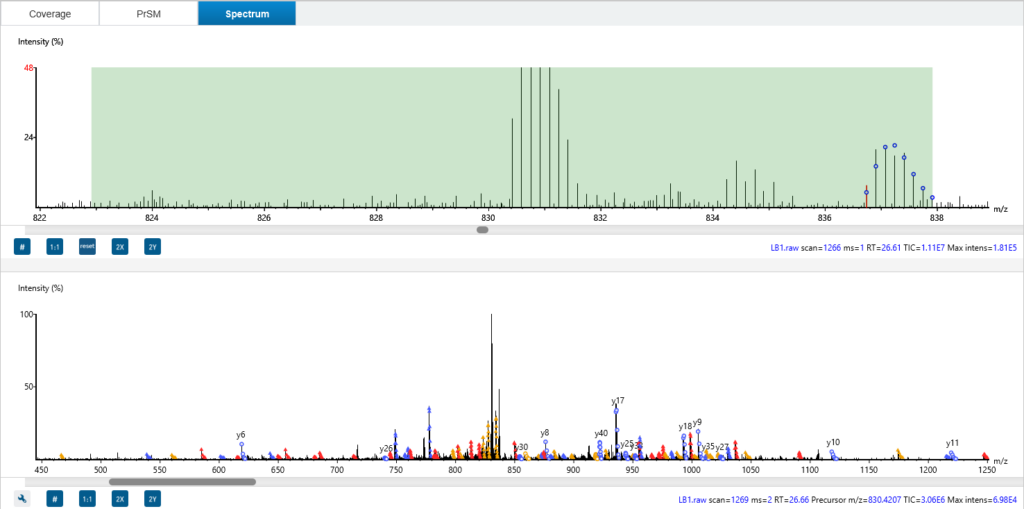
A deeper dive into the Proteoform tab shows how each ID is supported by high-quality PrSMs (deconvoluted MS2 spectra), fragment ion mass table, and interactive sequence fragmentation maps. The Spectrum tab in ProteoformX™ overlays theoretical precursor peaks and fragment ions directly onto the MS1 and MS2 scans—so users can visualise isotopic envelopes, assess isolation windows, see exactly which ions contributed to the deconvolution, or even get chimera spectrum information. Colour-coded annotations make it easy to distinguish ion types, giving you unmatched transparency and confidence in your results.
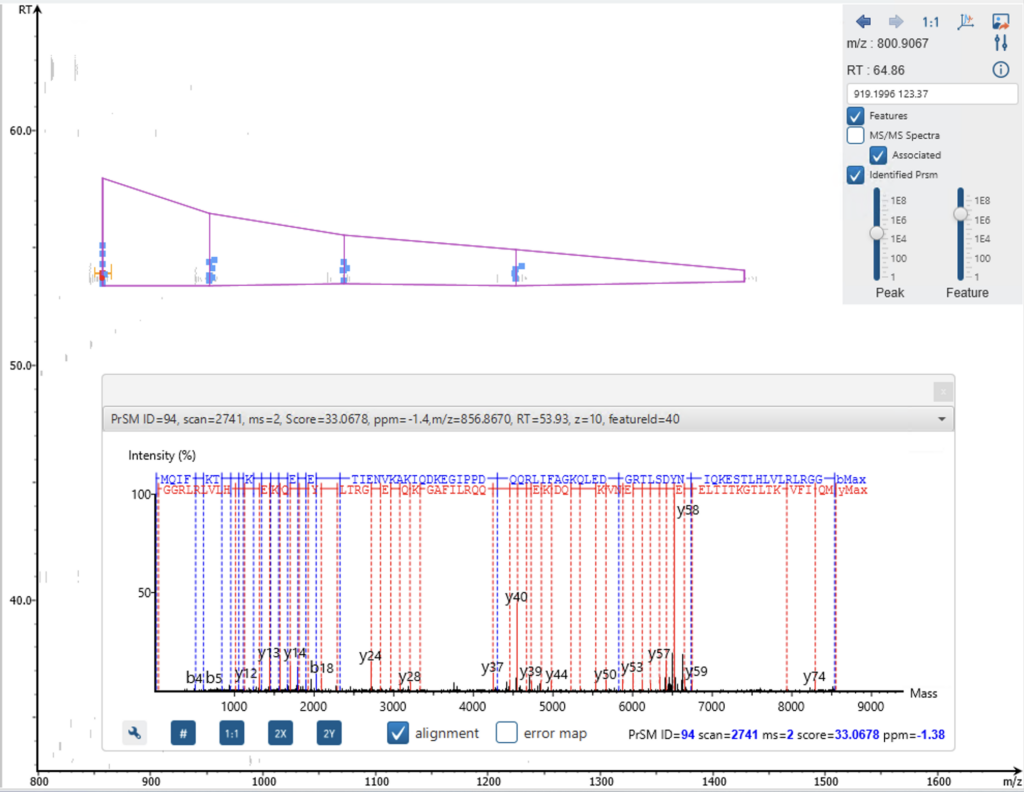
Feature-based insight of the data (LC-MS view)
As a feature-based algorithm for intact and top-down analysis, ProteoformX™ provides LC-MS view with MS/MS spectra and associated features.
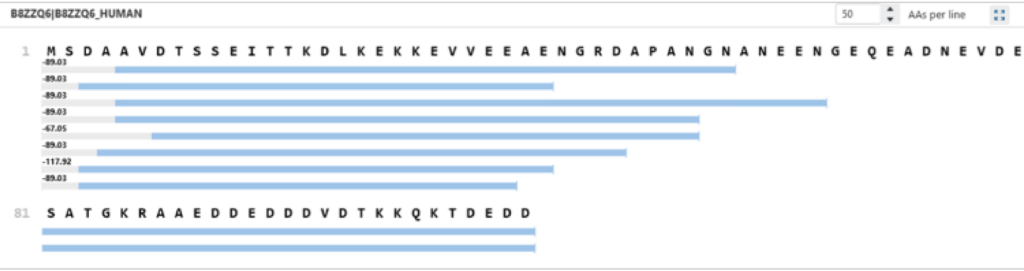
In-depth top-down proteome identification with open search
Enabling OpenPTM Search increases proteoform identification by allowing for unexpected modifications and truncated forms. In the example below, only two C-terminal proteoforms of the B8ZZQ6 protein were identified without OpenPTM Search, while eight were detected when it was enabled. One of these additional proteoforms featured a –89.03 Da mass shift, consistent with methionine loss and N-terminal acetylation—an established but often overlooked modification. By broadening the search space to include mass shifts and non-canonical termini, OpenPTM Search enables more comprehensive and accurate proteoform profiling.

New Peak Detection
New Peak Detection detects emerging peaks and tracks variation trends in biopharmaceutical metabolites, product‑related impurities, and molecular changes. Essential for characterising complex biopharmaceutical molecules by mass spectrometry, this feature also supports linear, branched, and cyclic peptides, including sequences containing unnatural amino acids and nucleotides, with added manual validation to support pharmaceutical workflows.
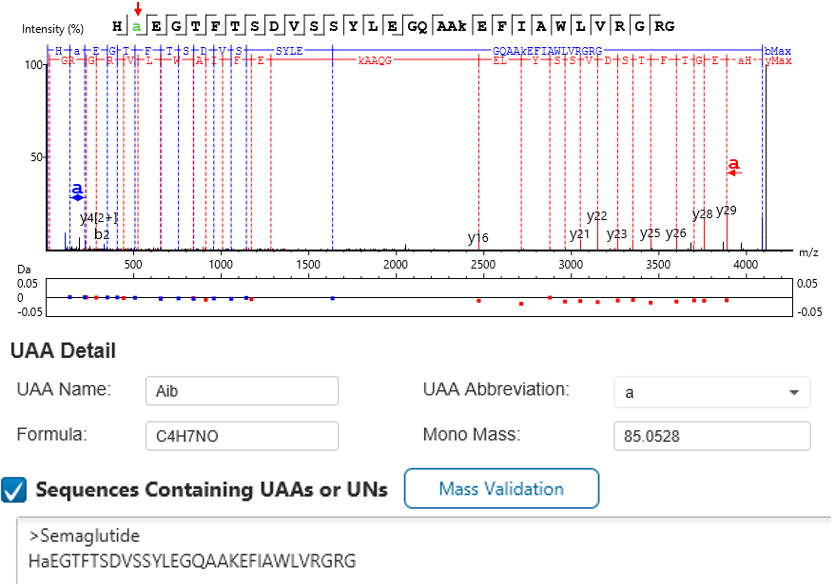
Characterisation of peptides with Unnatural Amino Acids (UAA)
Most mass spectrometry data analysis tools were built with limitations restricting fragment-ion assignment to the 20 canonical amino acids, offering little support for noncanonical residues. With this function, users can define UAAs in the configurations and search for sequences containing them. The result will highlight the UAA in green. Additionally, having support for unnatural nucleotides offers more flexibility, containing noncanonical amino acids and UAAs.
Characterisation of linear, branched, and cyclic peptides
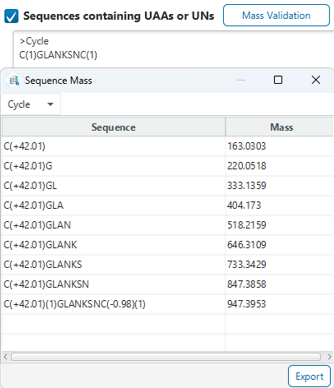
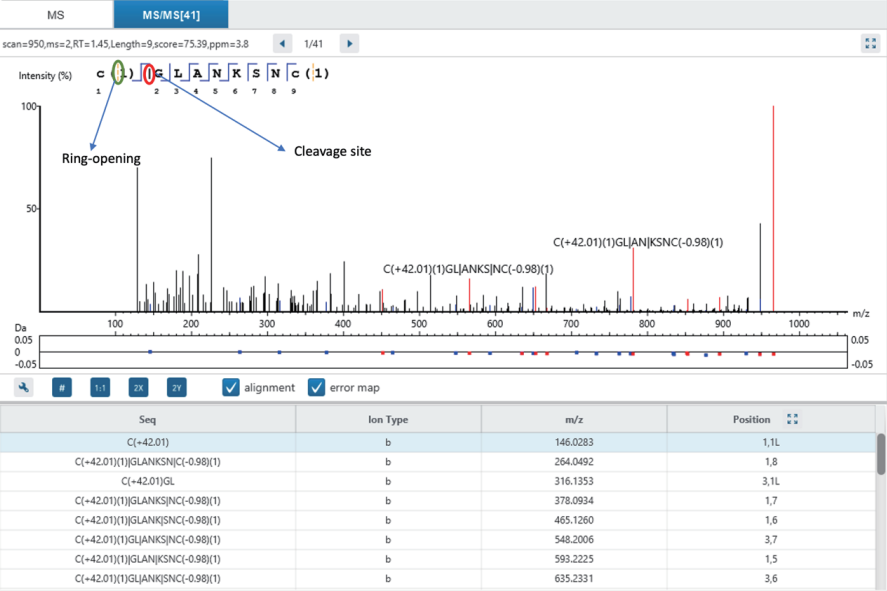
Linearised representation syntax for cyclic and branched peptide sequences making it easier to input cyclic peptide molecules into the software. Additionally, to help users verify the accuracy of their input, a mass validation tool is provided, which calculates the theoretical masses generated at different cleavage positions. Cyclic peptides and MS2 annotation for ring-opening and cleaved cyclic peptide (the yellow dotted line means the ring opening at the disulfide bond; the black vertical bar is a cleavage at this site.
Manual editing of feature detection
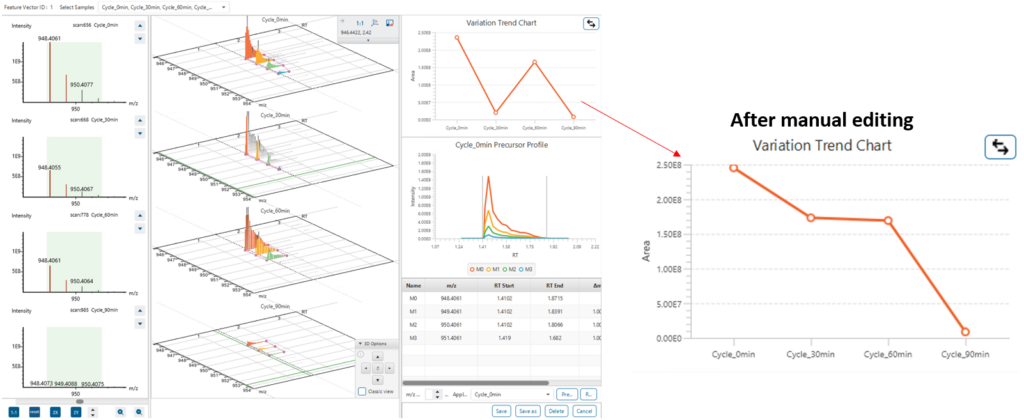
Automated feature detection may miss certain features due to factors such as low concentrations of degradation products, peak shape inference, or matrix effects. The Feature Editor function is designed to address this challenge by allowing users to manually and accurately select and define incorrectly detected or previously unidentified features in the target chromatogram. Use the feature editor button to access the manual feature detection interface.
Peptide Mapping
Peptide Mapping is one of the latest newly featured workflows in ProteoformX. It enables the characterisation of proteoforms from enzymatically digested samples. That includes mapping of peptide sequences to various proteoforms, identification of post-translational modifications (PTMs) and sequence variants using peptide-level information.
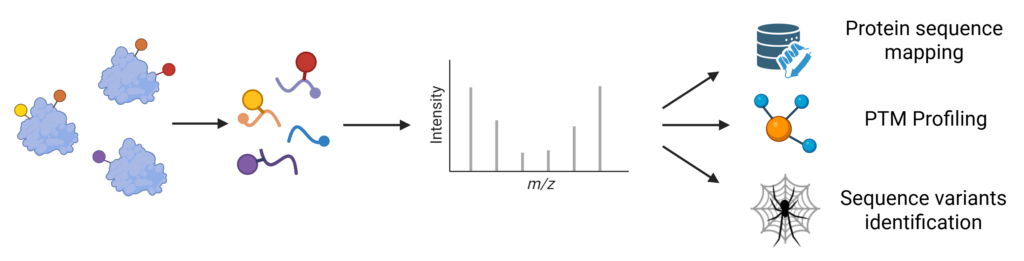
Bottom-up MS data can now be utilised to characterise the complete proteoform landscape of target proteins with the newly incorporated PTM profiling functions. Featuring the PEAKS PTM and Open PTM search algorithms, Peptide Mapping now enables identification and quantification of not only known and common modifications, but also uncommon and unknown modifications. Together with the use of Sequence Variants function for identification of mutations, this workflow enables users to acquire a complete overview of possible proteoforms that provides functional insights.
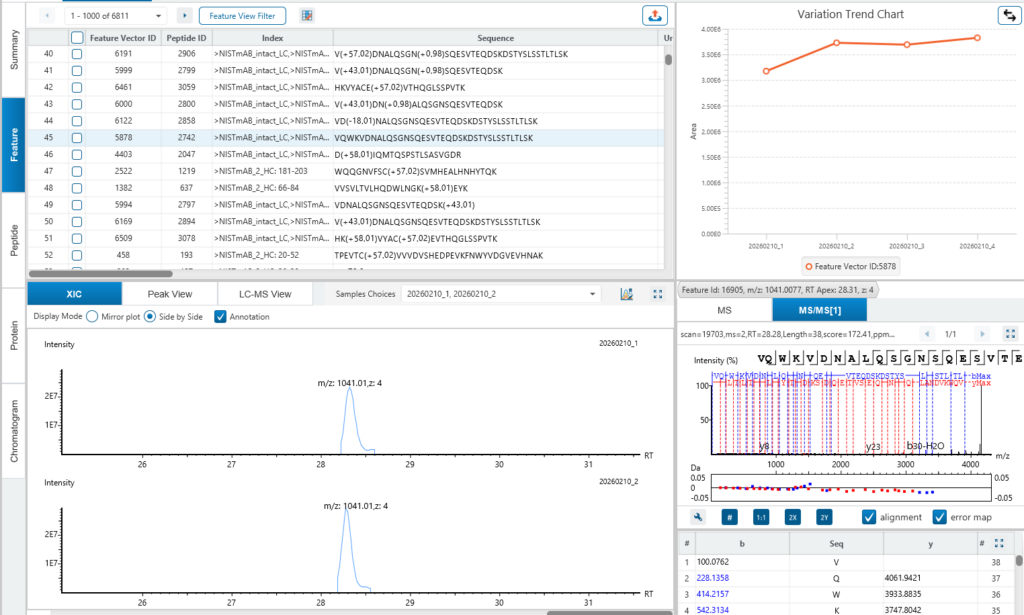
Aside from the enhanced qualitative features, users can also investigate quantitative variations between samples. By selecting Representative Peptides in the Feature or Peptide tabs, users can manually inspect changes of peptide abundance across samples to inform functional outcomes or batch differences.
Contact Us to Add ProteoformX to Your Lab!

Pick and choose functions that match your research needs!
Please reach out to us for further details.
| Free for Academia | Licensed Users |
| Intact Mass Analysis ✔ | Intact Mass Analysis ✔ |
| Top-down Proteome Search ✔ | Top-down Proteome Search ✔ |
| Proteoform Manager ✔ | Proteoform Manager ✔ |
| New Peak Detection ✔ | |
| Peptide Mapping ✔ |
References
- Roberts, D. S., Loo, J. A., Tsybin, Y. O. et al. Top-down proteomics. Nat Rev Methods Primers. 4, 38 (2024). https://doi.org/10.1038/s43586-024-00318-2